
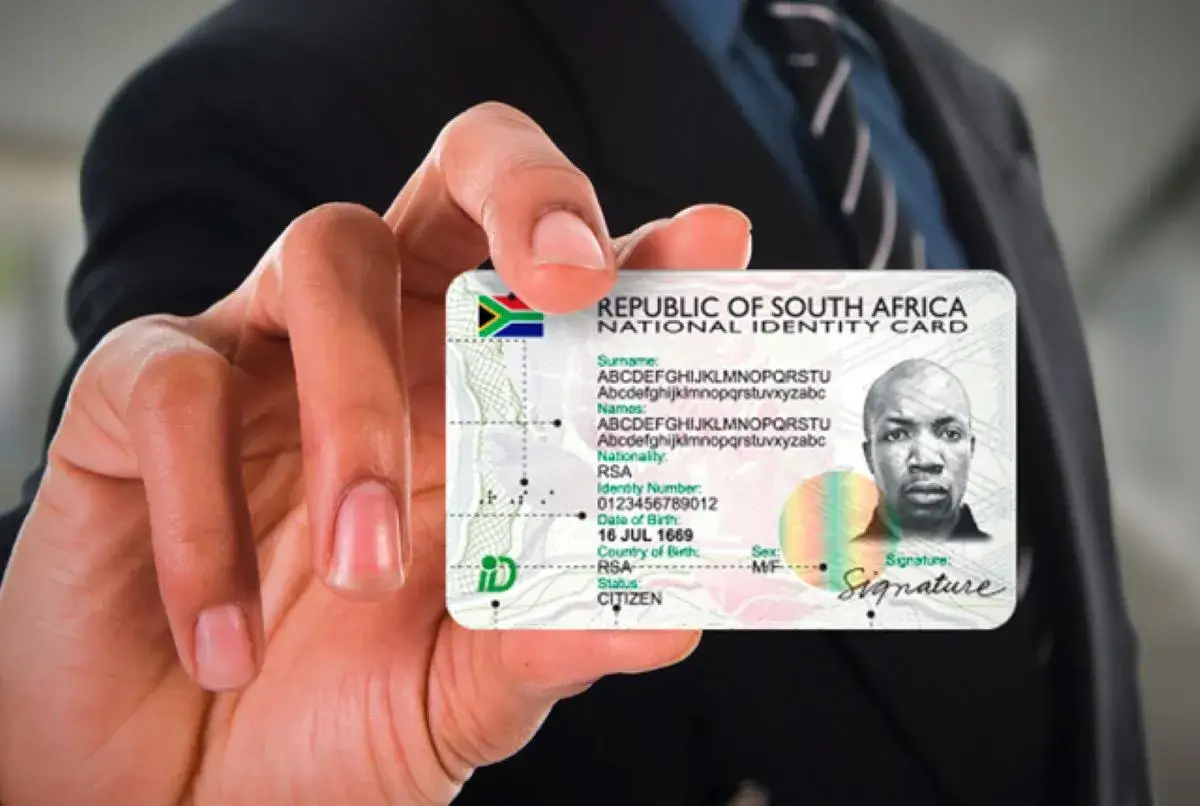
Changing your surname in South Africa is a legal process handled by the Department of Home Affairs. Whether you are changing your surname after marriage, divorce, or for personal reasons, you must follow the official procedure.
This step-by-step SEO guide explains:
- Who can change their surname
- Documents required
- Application forms and fees
- Processing times
- Special rules for children
When Can You Change Your Surname?
You can apply to change your surname in the following situations:
- After marriage
- After divorce
- After the death of a spouse
- Personal choice (legal name change application)
- For a minor child (with parental consent)
Each situation has slightly different requirements.
Changing Your Surname After Marriage
In South Africa, you are not automatically required to change your surname after marriage. You may:
- Keep your maiden surname
- Take your spouse’s surname
- Use a double-barrel surname
Documents Required:
- South African ID book or Smart ID card
- Marriage certificate
In most cases, there is no fee for updating your surname after marriage if it is done shortly after registering the marriage.
Changing Your Surname After Divorce
If you took your spouse’s surname and now wish to revert to your maiden surname:
Documents Required:
- South African ID
- Divorce decree
There is usually no fee if you are reverting to a previous surname.
Changing Your Surname for Personal Reasons
If you want to change your surname for personal or cultural reasons, you must formally apply through Home Affairs.
Step-by-Step Process
Step 1: Visit Your Nearest Home Affairs Office
Go to your closest branch of the Department of Home Affairs.
You cannot complete a full legal surname change entirely online. You must apply in person.
Step 2: Complete the BI-196 Form
You will be required to complete Form BI-196 (Application for Alteration of Surname).
Provide:
- Full personal details
- Reason for surname change
- Supporting documents
Step 3: Submit Supporting Documents
These may include:
- Certified copy of your ID
- Birth certificate
- Marriage certificate (if applicable)
- Divorce decree (if applicable)
Step 4: Pay the Required Fee
A surname change for personal reasons usually requires a fee (fees may change annually, so confirm at your branch).
Step 5: Await Approval
The application is reviewed and may require approval from the Director-General of Home Affairs.
Processing times can range from several weeks to a few months.
Changing a Child’s Surname
To change a minor’s surname:
- Both parents must consent (if both are living)
- Provide child’s birth certificate
- Provide parents’ IDs
- Provide court order if one parent does not consent
Home Affairs will not change a child’s surname without proper legal authority.
How Long Does It Take to Change a Surname?
Processing times vary depending on:
- Type of surname change
- Verification process
- Workload at Home Affairs
It may take between 6 weeks and several months.
What Happens After Approval?
Once approved:
- Your surname will be updated on the National Population Register
- You must apply for a new Smart ID card or ID book
- You must update your surname with banks, SARS, schools, and other institutions
Important Things to Know
- You cannot use your new surname officially until it is approved.
- False information may lead to rejection.
- Changing a surname does not change your ID number.
Frequently Asked Questions
Can I change my surname online?
No. Applications must be submitted in person at Home Affairs.
How much does it cost to change a surname?
Reverting after divorce is usually free. Personal surname changes require a fee.
Do I need to publish the change in a newspaper?
In some personal name changes, publication in the Government Gazette may be required.
Final Thoughts
Changing your surname at Home Affairs is a legal process that requires proper documentation and official approval. Whether due to marriage, divorce, or personal reasons, make sure you follow the correct procedure to avoid delays.