
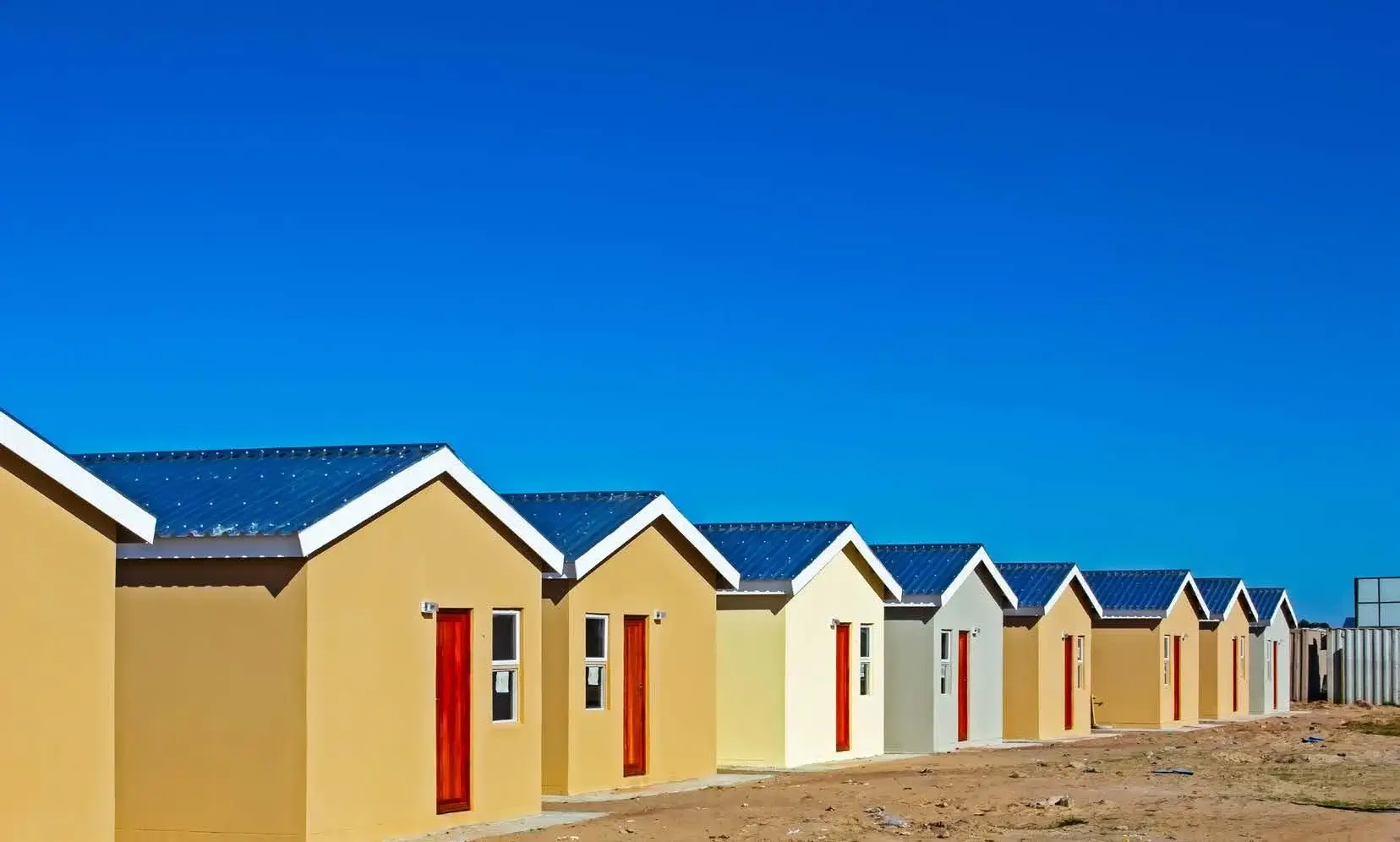
If you are a low-income South African citizen without proper housing, you may qualify for a government-subsidised home through the RDP housing programme.
The programme was introduced after 1994 as part of the country’s Reconstruction and Development Programme (RDP) to provide free housing to qualifying citizens.
In this complete guide, we explain how to apply for an RDP house, who qualifies, required documents, and how to check your application status.
What Is an RDP House?
An RDP house is a free government-funded home provided to low-income families in South Africa.
Today, RDP houses fall under the Breaking New Ground (BNG) housing programme, managed by the Department of Human Settlements.
These homes usually include:
- A formal brick structure
- Two bedrooms
- A living area
- A kitchen space
- A bathroom (toilet)
- Basic water and electricity connections
Who Qualifies for an RDP House?
To qualify for an RDP house in South Africa, you must:
- Be a South African citizen or permanent resident
- Be 18 years or older
- Earn R3,500 or less per month (combined household income)
- Be married, cohabiting, or single with dependents
- Have never received a housing subsidy before
- Not own property anywhere in South Africa
Priority is usually given to:
- Elderly persons
- People living with disabilities
- Child-headed households
- Military veterans
Documents Required to Apply for an RDP House
Before applying, make sure you have:
- Certified copy of your South African ID
- Certified copies of spouse/partner ID (if married or cohabiting)
- Birth certificates of children
- Proof of income (payslip or affidavit if unemployed)
- Proof of residence
Having complete documents helps avoid delays.
Step-by-Step: How to Apply for an RDP House
Step 1: Visit Your Local Municipality
Applications are submitted at your local municipality or provincial office of the Department of Human Settlements.
You cannot apply online. Applications must be done in person.
Step 2: Complete the Housing Subsidy Application Form
At the office, you will:
- Fill in a housing subsidy application form
- Provide your personal and household details
- Submit certified supporting documents
Make sure all information is correct.
Step 3: Receive a Waiting List Reference Number
After submitting your application:
- Your details will be captured on the National Housing Needs Register (NHNR)
- You will receive a housing waiting list number
Keep this reference number safe.
Step 4: Wait for Allocation
RDP houses are allocated based on:
- Date of application
- Availability of housing projects
- Priority categories
Waiting times vary by province and municipality. It can take several years depending on demand.
How to Check Your RDP House Application Status
You can check your status by:
- Visiting your local municipality
- Calling your provincial Department of Human Settlements
- Providing your ID number
Some provinces also allow online status checks through municipal websites.
Can You Sell an RDP House?
An RDP house cannot be sold within the first 8 years after receiving it.
After 8 years:
- You may apply for permission to sell
- The sale must follow legal processes
Illegal selling of RDP houses is a criminal offence.
Common Mistakes to Avoid
- Providing false income information
- Using incorrect contact details
- Paying someone to “speed up” your application
Important: Applying for an RDP house is FREE. Do not pay anyone claiming to guarantee you a house.
How Long Does It Take to Get an RDP House?
There is no fixed timeframe. The waiting period depends on:
- Housing budget allocation
- Land availability
- Your position on the waiting list
- Your municipality’s housing backlog
Some applicants wait several years due to high demand.
Final Thoughts: Apply for an RDP House the Right Way
If you meet the requirements, applying for an RDP house can provide your family with safe and secure housing.
To apply:
- Visit your local municipality
- Submit required documents
- Keep your reference number
- Update your details if your circumstances change
Always use official government offices and never pay for an application.