
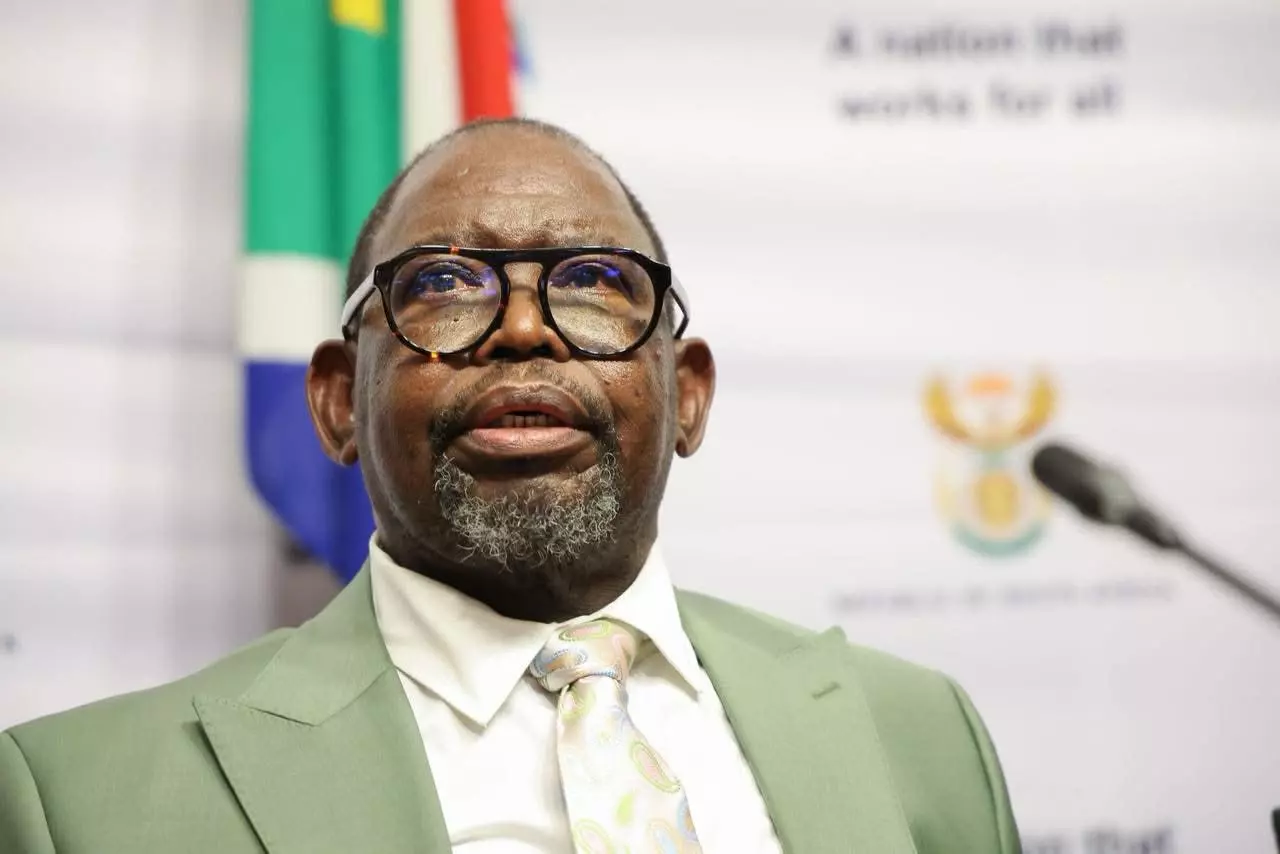
South Africans were watching closely as Minister of Finance Enoch Godongwana delivered the Budget 2026 speech on Wednesday, 25 February 2026. The national budget outlines how government plans to spend money, collect taxes, and manage the economy for the year ahead.
While some news brings relief for taxpayers, other changes will affect everyday expenses like fuel, alcohol, and cigarettes. Here are 10 important facts about Budget 2026 that every South African should know.
1. Government Debt Costs Remain Very High
Even though the country’s finances are improving, South Africa will still spend R432.4 billion in 2026 on debt repayments and interest.
This means a large portion of government money goes to paying old debt instead of funding services.
2. Government Borrowing Is Decreasing
There is some positive news — government borrowing will drop significantly.
- 2025 borrowing: R563 billion
- 2026 borrowing: R380 billion
This suggests improved financial management and stronger revenue performance.
3. Economic Growth Is Expected to Improve
The economy is projected to grow by:
- 1.6% in 2026
- Up from 1.4% in 2025
Although growth remains slow, the improvement signals gradual economic recovery.
4. Inflation Expected to Stay Low
Inflation is expected to average around 3.4% in 2026, which is relatively stable.
Lower inflation helps protect the purchasing power of salaries and savings.
5. Income Tax Relief for Workers
One of the biggest announcements is that income tax brackets and rebates will increase with inflation for the first time since 2024.
This means:
- Workers will not pay more tax if salaries increase only because of inflation.
- Government scrapped a previous plan to raise R20 billion through higher income taxes.
This is good news for employees.
6. Alcohol and Cigarette Taxes Will Increase
Excise duties will rise in line with inflation.
Examples:
- Cigarette tax increases from R22.81 to R23.58 per pack.
- Beer or cider (340 ml) increases by about 8 cents.
These increases aim to generate revenue and reduce harmful consumption.
7. Fuel Levies Will Go Up
Motorists will pay slightly more for fuel.
- Petrol levy increases by 9 cents per litre
- Diesel levy increases by 8 cents per litre
Fuel costs affect transport prices and the cost of goods across the economy.
8. Higher Tax-Free Savings Limits
Government wants to encourage saving.
Changes include:
- Tax-free savings contribution limit increases to R47,000 per year (previously R36,000).
- Retirement fund deduction limit increases to R430,000 (previously R350,000).
This allows South Africans to invest more for the future with tax benefits.
9. Small Businesses Get VAT Relief
Small businesses will only need to register for VAT when turnover exceeds R2.3 million, up from the previous R1 million threshold.
This reduces administrative pressure on smaller companies and entrepreneurs.
10. Most Government Spending Goes to Social Services
About 60% of the R1.95 trillion budget will fund the “social wage”, including:
- Education
- Healthcare
- Social grants
- Community services
Government also allocated R26 billion over three years to HIV/AIDS programmes, including treatment and prevention.
What Budget 2026 Means for South Africans
Overall, Budget 2026 shows cautious improvement in public finances while maintaining strong spending on social services.
Key impacts for citizens include:
- Slight fuel price increases
- Higher taxes on alcohol and cigarettes
- Income tax relief
- Better savings incentives
- Support for small businesses